

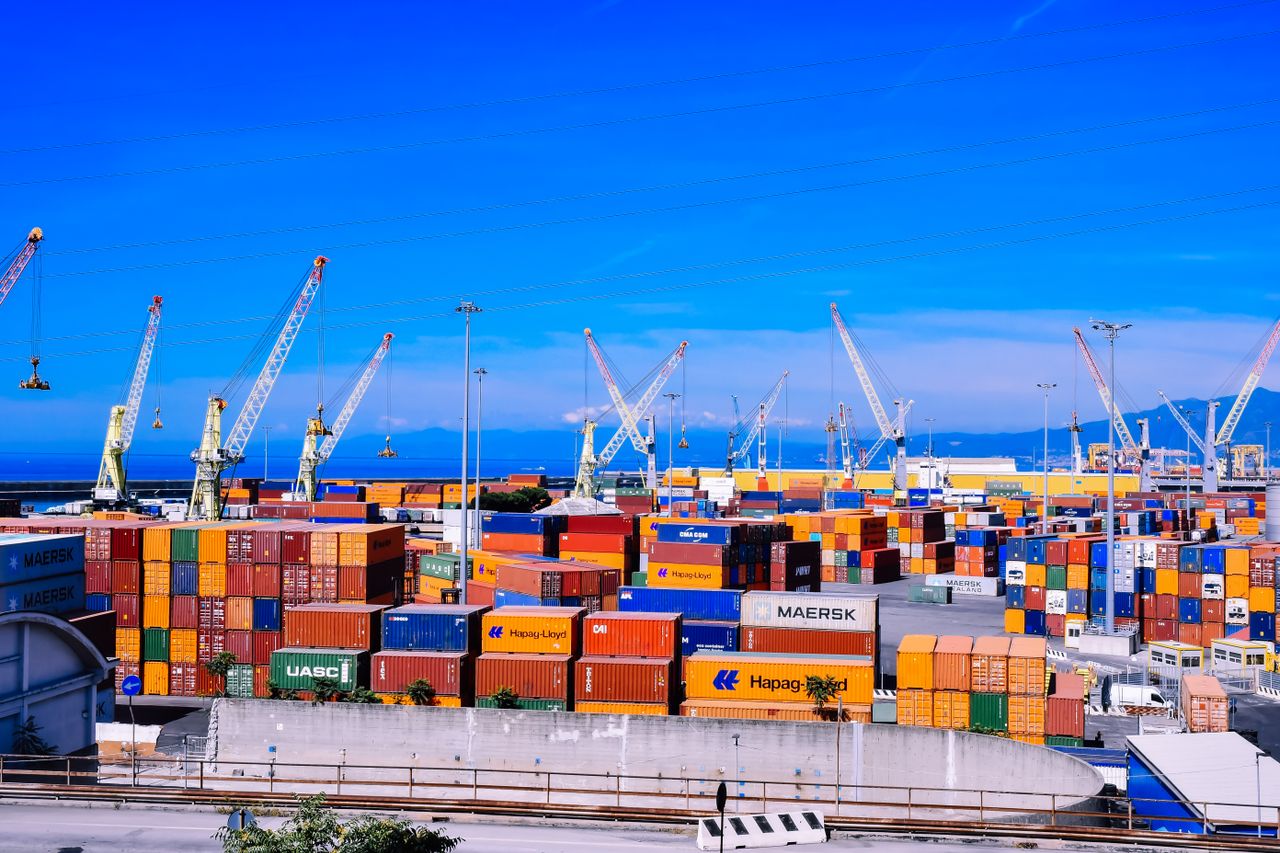
Port delays
Port delays can quietly drain a logistics budget faster than almost any other supply chain issue. When cargo sits idle at major West African transit hubs like the Port of Apapa (Nigeria), Port of Tema (Ghana), or Port of Abidjan (Ivory Coast), demurrage and detention fees accrue daily.
Understanding the operational bottlenecks and shifting regulatory environments of West African customs is the first step toward safeguarding your bottom line.
The True Cost of Demurrage
emurrage isn’t just a minor administrative penalty; it is a compounding daily charge levied by ocean carriers and terminal operators for exceeding your allotted free time. In many regional ports, free time frames can be tight, occasionally spanning just 3 to 7 days from vessel discharge.
If your paperwork is flagged, a container can easily get stuck for weeks, incurring thousands of dollars in fees that must be settled before the cargo is released.
The Atlas Cargo Pre-Clearance Checklist
To maintain a fluid supply chain, our logistics desk enforces a strict pre-clearance protocol before cargo ever touches water:
[ 1 ] Validate Country-Specific Certificates (e.g., CNCA, CTN, FER, or BSC)
[ 2 ] Cross-Reference HS Codes across all commercial invoices
[ 3 ] Submit digital manifests to destination customs 72 hours prior to vessel arrival
[ 4 ] Secure authorized local clearing agents at the destination port in advance
By ensuring that every document is filed, verified, and pushed through digital customs portals ahead of schedule, you can reliably bypass port bottlenecks and keep your operations moving seamlessly.